When a crime happens inside a home, business or vehicle, the investigation eventually ends — but the property is left behind. Someone has to restore it, and that job usually falls to a family member, landlord or business owner who is already dealing with shock, grief or disruption. This guide explains what professional crime scene cleanup involves, what discretion and efficiency look like in practice, and how to choose the right team in Seattle and the greater Puget Sound area.
What Is Crime Scene Cleanup?
Crime scene cleanup is the specialist cleaning and decontamination of a property after a violent crime or other incident that has left blood, bodily fluids or other potentially infectious materials behind. It is sometimes called crime scene remediation or biohazard cleanup, and it overlaps closely with trauma cleanup.
The work typically includes:
- Removing blood, bodily fluids and other biological material from every affected surface
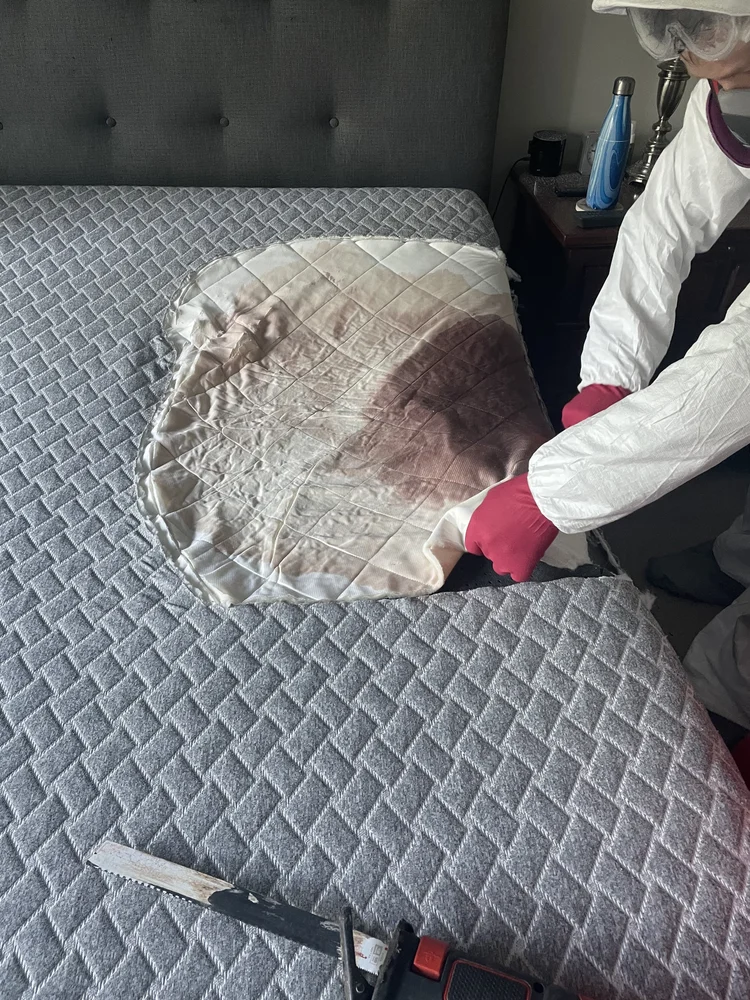
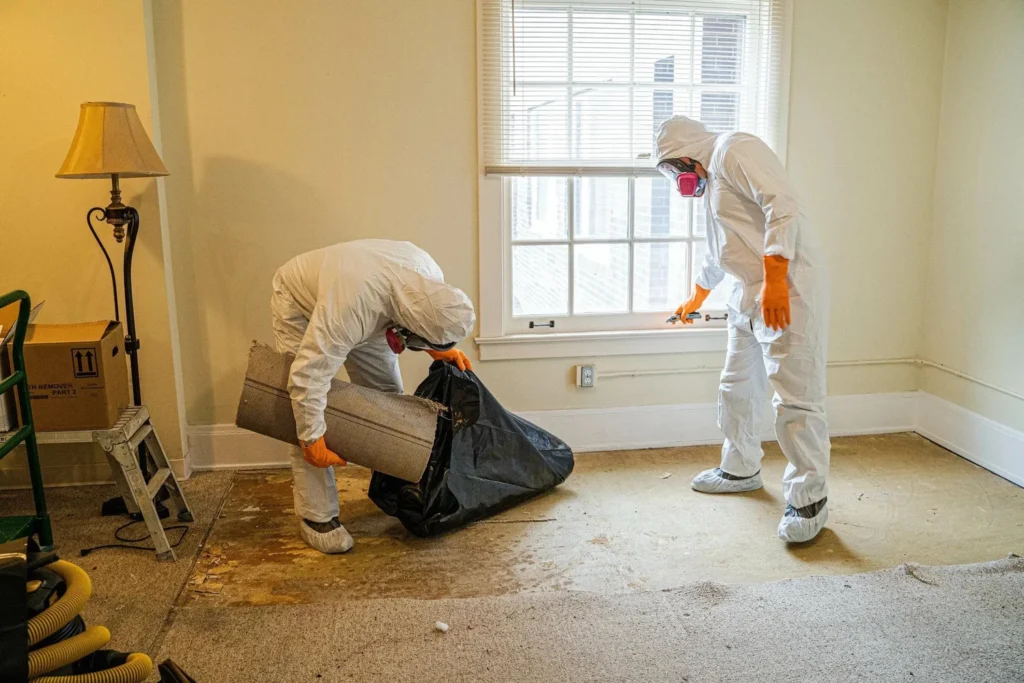
- Removing and disposing of porous materials that cannot be safely restored, such as carpet, padding, mattresses, upholstery and sections of drywall
- Cleaning and disinfecting hard surfaces, fixtures and hidden areas such as subfloors and wall cavities
- Treating odors so the space can be used again
- Removing residue left by fingerprint powder and other investigation materials
- Documenting the work for insurers, property managers or estate representatives
Why Crime Scene Cleanup Should Be Handled by Professionals
Health and safety
Blood and bodily fluids can carry bloodborne pathogens such as hepatitis B, hepatitis C and HIV. Federal OSHA rules (29 CFR 1910.1030) require employers whose workers may be exposed to these materials to provide training, protective equipment and safe work practices. Professional technicians work within those rules every day; untrained family members do not.
Contamination you cannot see
Fluids rarely stay where they land. They soak through carpet into padding and subflooring, run behind baseboards and seep into furniture. Cleaning only what is visible can leave contamination and odor behind, and often leads to a second, more expensive cleanup later.
Proper disposal
Contaminated materials must be bagged, labeled and disposed of correctly as regulated waste. A professional company handles this for you and records where the waste went.
The emotional burden
Cleaning the scene of a crime against someone you know is deeply distressing. Handing the work to a professional team lets families focus on each other, on the investigation and on everything else that needs attention.
What Professional, Discreet Crime Scene Cleanup Looks Like
Discretion is not an extra — it is central to good crime scene cleanup. Families and businesses deserve to have their situation handled privately. A discreet provider will:
- Arrive in unmarked vehicles when requested
- Avoid discussing the incident with neighbors, tenants or passers-by
- Work behind closed doors and keep the affected area contained
- Treat every detail of the situation as confidential
- Speak to you in plain, respectful language and never pressure you into extra services
At West Side Bio and Crime Scene Cleanup, every job is handled with this level of care. Our technicians are trained to work quietly and respectfully, because we know most people who call us are having one of the worst days of their lives.
What Efficient Crime Scene Cleanup Looks Like
Efficiency matters too. The longer contamination sits, the further it spreads into building materials and the stronger odors become. An efficient crime scene cleanup company will:
- Answer the phone promptly and arrange an assessment as soon as the property is released
- Give you a clear, written scope and estimate before work starts
- Bring the right equipment and crew size for the job the first time
- Complete most residential jobs within one to three days, depending on the extent of contamination
- Coordinate directly with your insurer, landlord or property manager to reduce the number of calls you need to make
The Crime Scene Cleanup Process, Step by Step
While every situation is different, a professional crime scene cleanup in Seattle generally follows these stages:
- 1. Release of the property. Cleanup can only begin after police or the medical examiner have finished their work and released the scene.
- 2. First call and assessment. You explain the situation, and a technician inspects the property to identify every affected area.
- 3. Written scope and estimate. You agree the scope of work and the cost before anything starts.
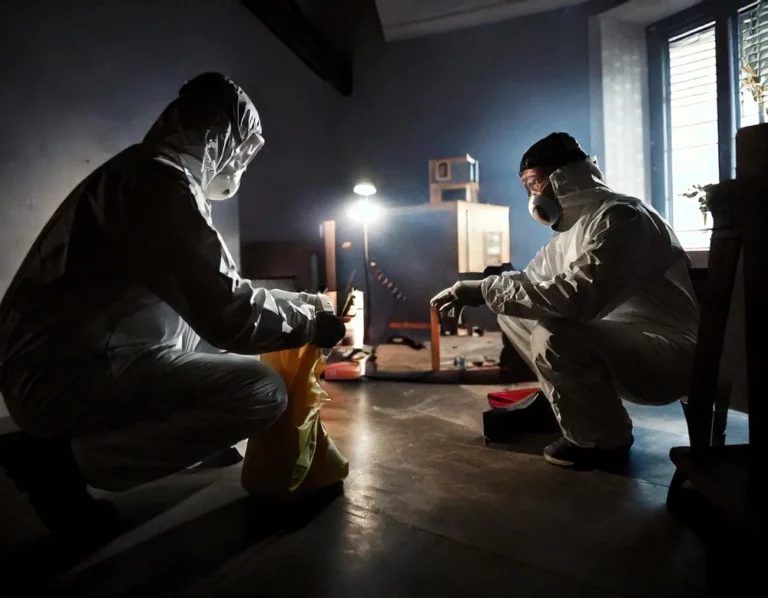
- 4. Containment and protection. The affected area is isolated so contamination does not spread, and technicians wear appropriate protective equipment.
- 5. Removal. Contaminated porous materials are removed and packaged for regulated disposal.
- 6. Cleaning, disinfection and deodorization. Remaining surfaces are cleaned and disinfected with professional-grade, EPA-registered products, and odors are treated.
- 7. Final walkthrough and documentation. The area is checked, and you receive documentation of what was done.
You do not need to be at the property during this process. Many families prefer not to be, and we keep you updated by phone.
How to Choose a Crime Scene Cleanup Company
Most people only ever need a crime scene cleanup company once, which makes it hard to know who to trust. Ask these questions before you hire anyone:
- Are your technicians trained in bloodborne pathogen safety and OSHA procedures?
- Are you licensed and insured?
- Will I receive a written scope and estimate before work begins?
- How do you dispose of contaminated materials, and will I get documentation?
- Can you work directly with my insurance company?
- How quickly can you respond, and do you serve my area?
A trustworthy provider will answer clearly and honestly — including telling you if your situation does not need specialist cleanup at all.
Who Pays for Crime Scene Cleanup?
Homeowners, renters, landlord and commercial property insurance policies often cover crime scene cleanup, although coverage depends on your specific policy. Check with your insurer as early as possible. West Side Bio and Crime Scene Cleanup can bill your insurer directly or provide the documentation your adjuster needs.
Some states pay for crime scene cleanup through their crime victim compensation programs, but Washington State’s Crime Victims Compensation Program does not cover crime scene cleanup. It can, however, help eligible victims with other costs such as medical bills, counseling and funeral expenses, so it is still worth contacting if you or your family have been affected by a violent crime.
Crime Scene Cleanup for Landlords and Businesses
Crime scene cleanup is not only for homeowners. Landlords and property managers often need help after an incident in a rental unit, and businesses may need it after an incident on their premises. We work with whoever is responsible for the property, keep disruption to a minimum and can combine crime scene cleanup with property clean-outs or junk removal where needed.
Professional Crime Scene Cleanup in Seattle
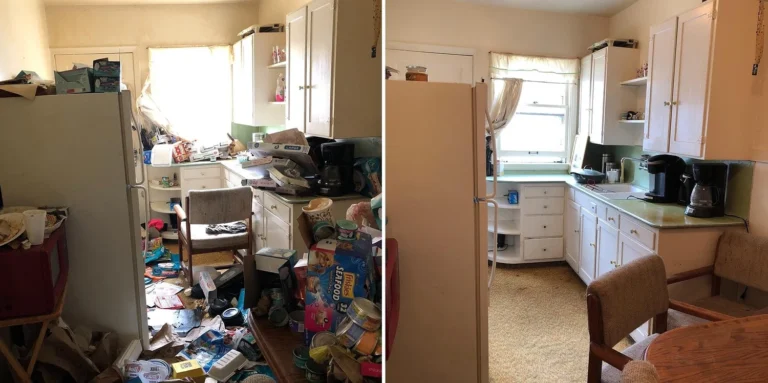
West Side Bio and Crime Scene Cleanup is locally owned in Seattle and provides crime scene and biohazard cleanup, trauma cleanup, hoarding cleanup and drug remediation across the greater Puget Sound area. We are fully licensed and insured, our technicians are trained and certified, and we answer the phone 24 hours a day.
If you need crime scene cleanup, you do not have to handle it alone. Call us any time at 206-330-8919 or request service online, and we will talk you through the next steps. You can also read our related guides on biohazard cleanup and trauma cleanup.