Few things are harder than dealing with a property after a traumatic event. Whether it follows a suicide, a violent incident, a serious accident or an unattended death, the cleanup often falls to family members, landlords or property managers who are already coping with shock and grief. This guide explains what trauma cleanup in Seattle involves, why it is usually best left to professionals, and what you can expect from the process.
What Does Trauma Cleanup Mean?
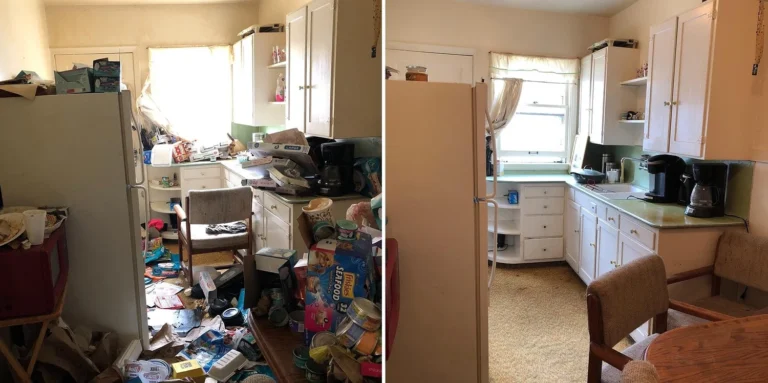
Trauma cleanup is the specialist cleaning and decontamination of a property after an event that has left blood, bodily fluids or other biological material behind. It is closely related to crime scene cleanup, and the two terms are often used together. The work includes removing contaminated materials, cleaning and disinfecting every affected surface, and treating odors so the space can be used again.
Trauma scene cleanup may be needed in homes, apartments, rental units, businesses and vehicles. In each case the goal is the same: to return the property to a safe, clean condition while treating the people involved with respect.
Situations That May Require Trauma Cleanup
- Suicides and attempted suicides
- Homicides and other violent crimes
- Serious accidents and injuries in the home or workplace
- Unattended deaths, where someone passed away and was not found for some time
- Incidents involving significant blood loss
Our trauma and unattended death cleanup service and crime scene cleanup service cover each of these situations across Seattle and the greater Puget Sound area.
Why Professional Trauma Cleanup Is Usually Necessary
After a traumatic event, many families feel they should clean up themselves. It is an understandable instinct, but it is rarely a good idea, for practical and emotional reasons.
Health and safety
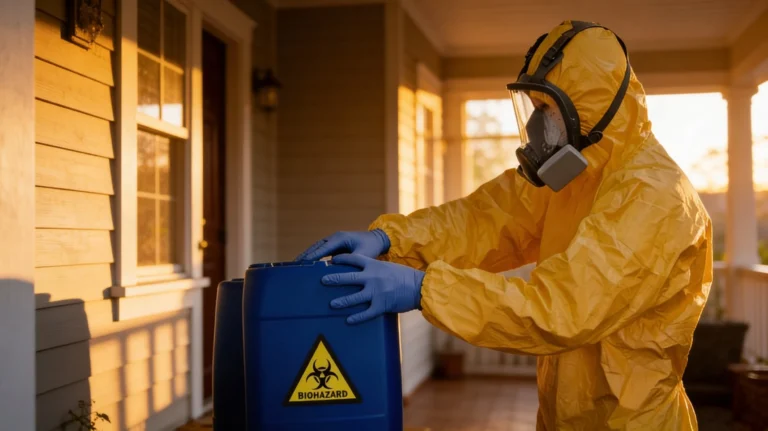
Blood and other bodily fluids can carry bloodborne pathogens. Federal OSHA rules require workers who may be exposed to them to use protective equipment and follow safe work practices. Professional technicians are trained to work safely and to dispose of contaminated materials correctly.
Contamination you cannot see
Fluids can soak into carpet, padding, subfloors, mattresses and wall cavities. Cleaning what is visible often leaves contamination and odor behind, which can mean a second, larger cleanup later.
The emotional toll
Cleaning the place where a loved one was hurt or passed away can be deeply distressing and can stay with a person for a long time. Handing the work to a professional team lets family members focus on each other and on the many other things that need attention.
The Importance of Discretion and Compassion
Trauma cleanup is not only technical work. It takes place at some of the most difficult moments in people’s lives, so how a company behaves matters as much as what it does. A good trauma cleanup provider will:
- Listen carefully and explain the process in plain language
- Arrive in unmarked vehicles when asked and keep conversations with neighbors to a minimum
- Treat every detail of the situation as confidential
- Set aside personal items such as photos, documents and jewelry where it is safe to do so
- Never pressure you into decisions or add services you do not need
What Property Owners Can Expect During the Process
While every situation is different, professional trauma cleanup generally follows a clear sequence:
- First call. You explain what has happened and the team answers your questions and arranges an assessment. Cleanup can begin once police or the medical examiner have released the property.
- Assessment and written scope. Technicians inspect the property, identify all affected areas and give you a written scope and estimate before work starts.
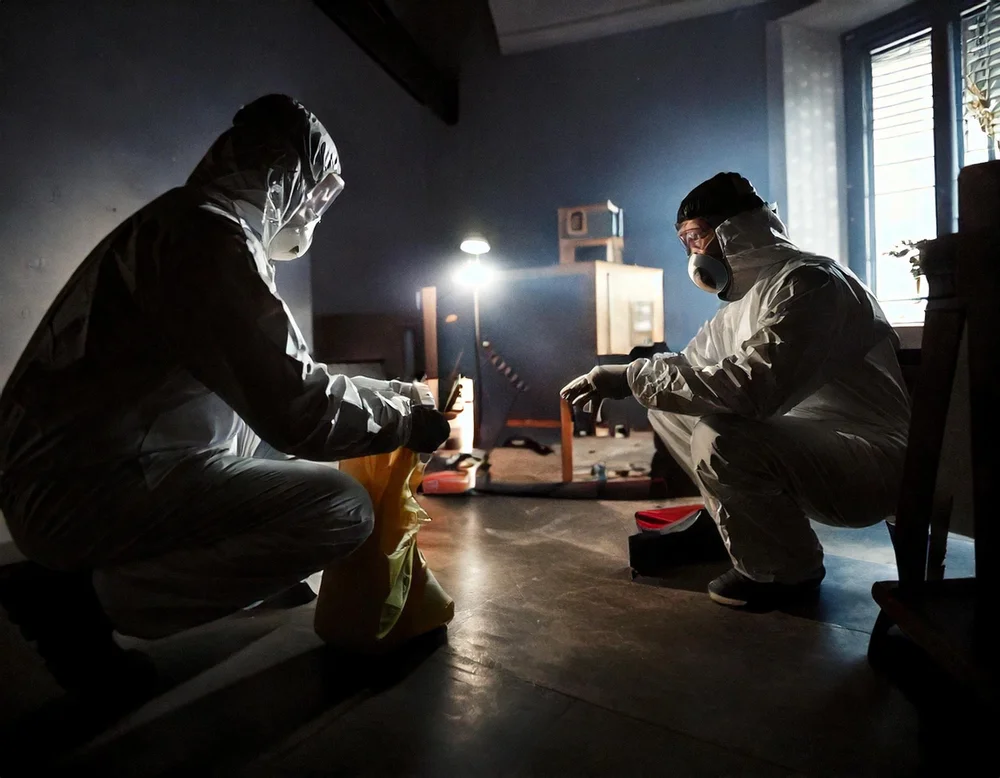
- Containment. The affected area is isolated to prevent contamination from spreading.
- Removal and cleaning. Contaminated materials are removed for proper disposal, and remaining surfaces are cleaned, disinfected and deodorized.
- Final walkthrough and documentation. The area is checked and you receive documentation of the work for your records or your insurer.
You do not need to be at the property while the work is carried out. Many families prefer not to be, and the team can keep you updated by phone.
Who Calls a Trauma Cleanup Company?
The person who calls is not always a family member. Landlords and property managers often need trauma cleanup after an incident in a rental unit, and businesses may need it after an incident on their premises. Estate executors, attorneys and case workers also arrange cleanup on behalf of families. A professional provider works with whoever is responsible for the property and keeps them informed at every stage.
Does Insurance Cover Trauma Cleanup?
Homeowners, renters and landlord insurance policies often cover trauma cleanup, although coverage depends on the specific policy. West Side Bio and Crime Scene Cleanup can bill your insurer directly or provide the documentation your adjuster needs, so you have one less thing to manage.
When and How to Contact a Professional
The best time to call is as soon as the property has been released by the authorities. The sooner contamination is addressed, the less it spreads into building materials, and the less odor develops. If you are unsure whether your situation needs professional help, call and ask — an honest provider will tell you.
Compassionate Trauma Cleanup in Seattle
West Side Bio and Crime Scene Cleanup is locally owned in Seattle and provides trauma cleanup, crime scene cleanup and biohazard cleanup across the greater Puget Sound area. Our certified technicians work discreetly and with care, so you can focus on what matters most.
We answer the phone 24 hours a day. Call 206-330-8919 or request service online and we will help you through the next steps.
If you or someone you know is struggling, you can call or text 988 to reach the 988 Suicide & Crisis Lifeline.