
Our Service
Drug Exposure
Remediation
Drug residue does not stay where it was used. West Side Bio Clean decontaminates properties affected by methamphetamine, fentanyl and other narcotics across the Seattle, WA, restoring surfaces, contents and air to a safe, documented standard.
- Meth, Fentanyl & Narcotics Decontamination
- Surface, Contents & HVAC Treatment
- Post-Remediation Verification Available
- Landlord, Realtor & Insurer Reporting
Unmarked vehicles and no signage. Tenants and neighbours are told nothing by us.
No judgment about how the property got this way. We deal with the chemistry.
Trained in chemical decontamination and hazardous residue handling.
Open 24 hours, 7 days a week
Including nights, weekends and holidays.
Our Services
Comprehensive Cleaning & Restoration Solutions
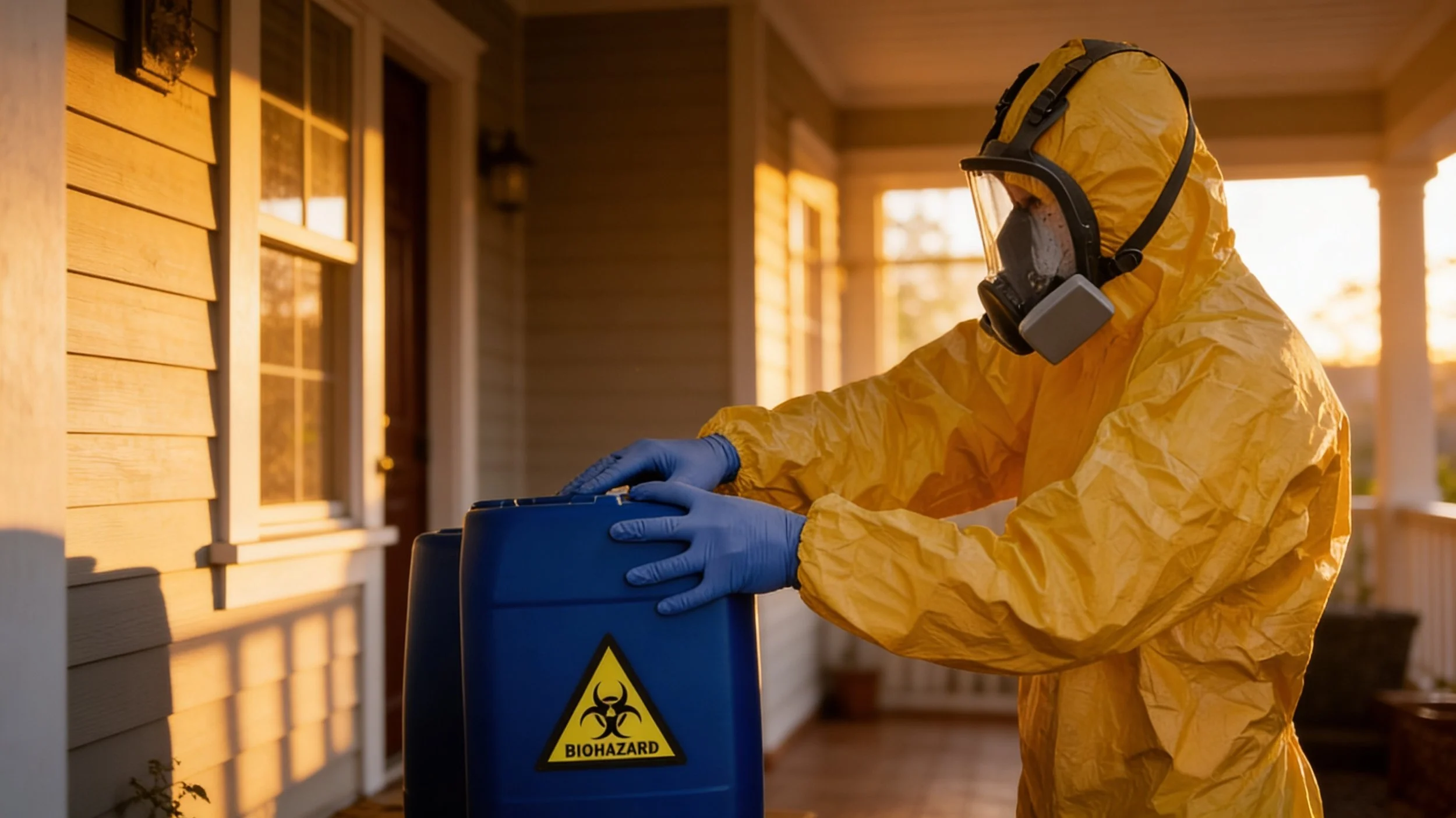
Biohazard Cleanup
We safely remove blood, bodily fluids, and other biohazard materials and decontaminate affected areas.
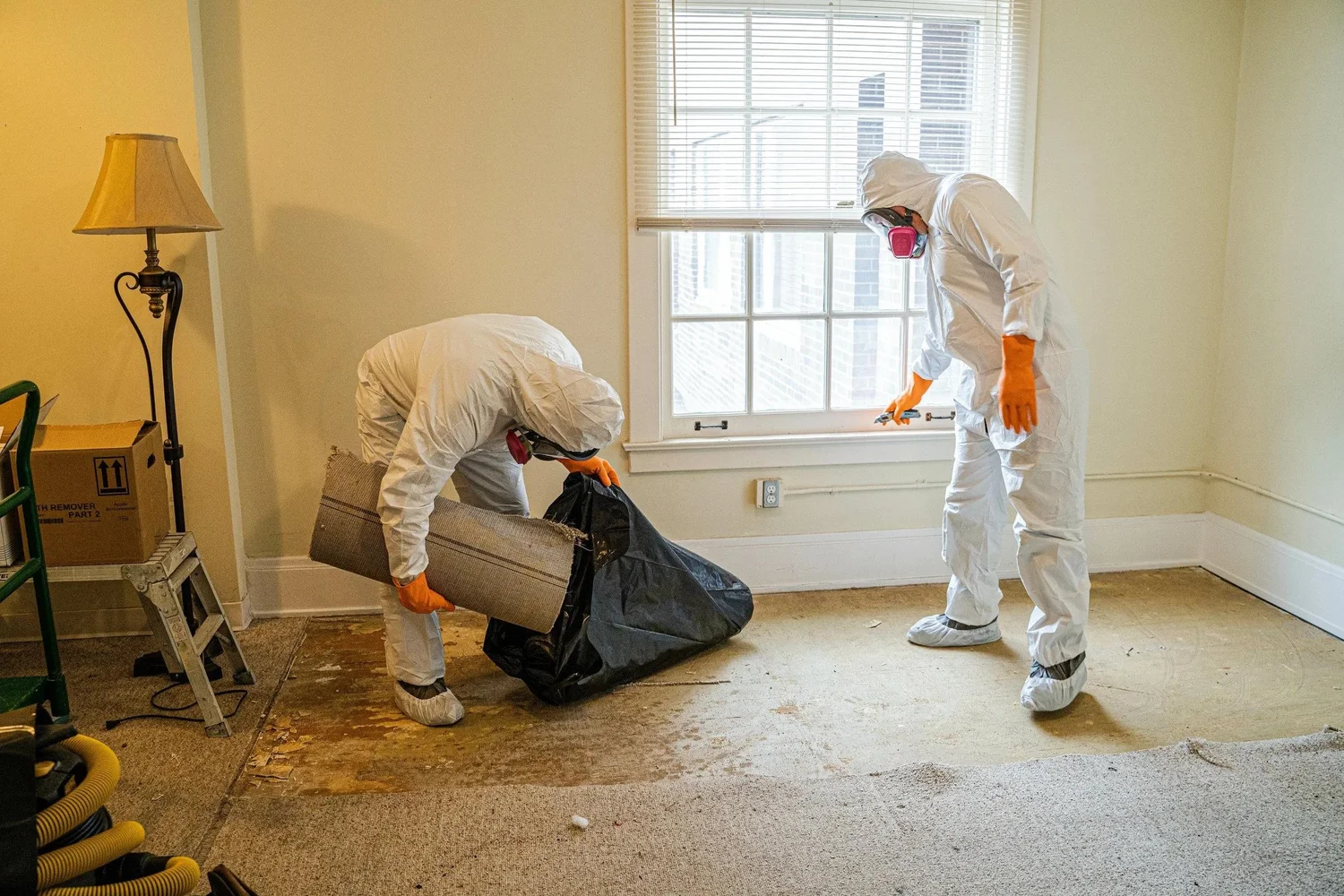
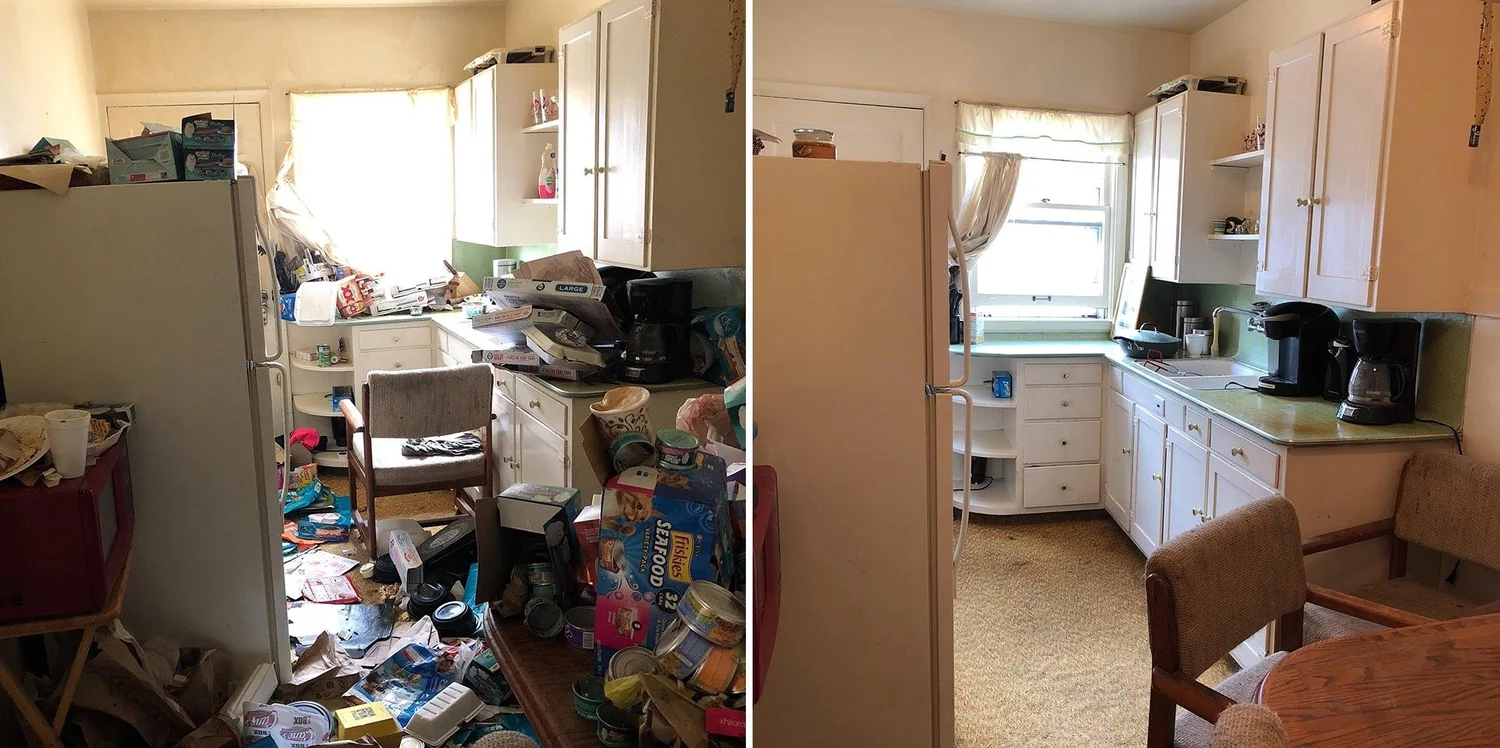
Hoarding Cleanup
Compassionate and thorough cleanup of hoarded properties with respect and professionalism.
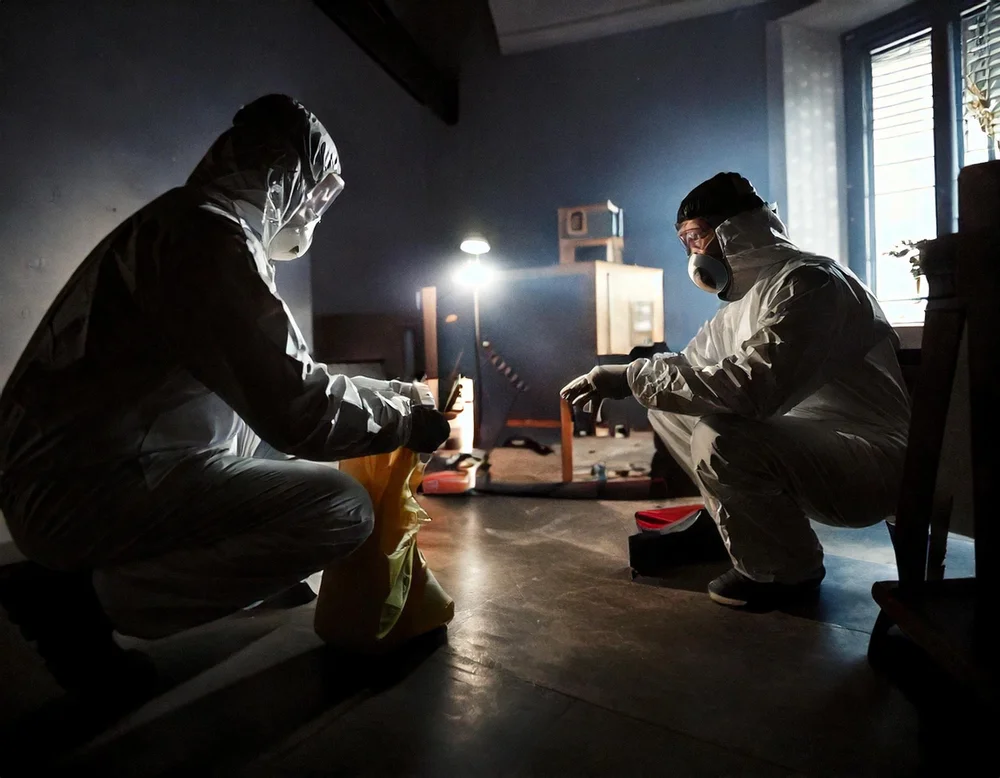
Trauma & Crime Scene Cleanup
Discreet cleanup of trauma and crime scenes, restoring safety and peace of mind.
Drug Exposure
Remediation
We remove methamphetamine, fentanyl and narcotic residue from surfaces, contents and ventilation, then verify the property is safe to occupy.
206-330-8919
What Drug Remediation Involves
Residue You Cannot See,
Removed Properly.
Narcotics leave a chemical residue rather than a visible mess, and that is what makes drug contamination so easy to underestimate. Methamphetamine production and heavy smoking deposit a fine, sticky film that settles on every horizontal and vertical surface in a property. It moves with air, which means it does not stay in the room where it was created. Residue is routinely found inside ductwork, behind switch plates, on the underside of cabinets, in carpet fibres and absorbed into painted drywall two rooms away from the source.
The health argument for taking it seriously is straightforward. Residue is absorbed through skin contact and inhalation, and it does not degrade meaningfully on its own. Children are the most exposed group because they spend time on floors and put hands to mouths. Fentanyl adds a separate order of risk: quantities invisible to the eye are hazardous, and disturbing contaminated material without containment can put anyone in the property at risk, including the person cleaning it.
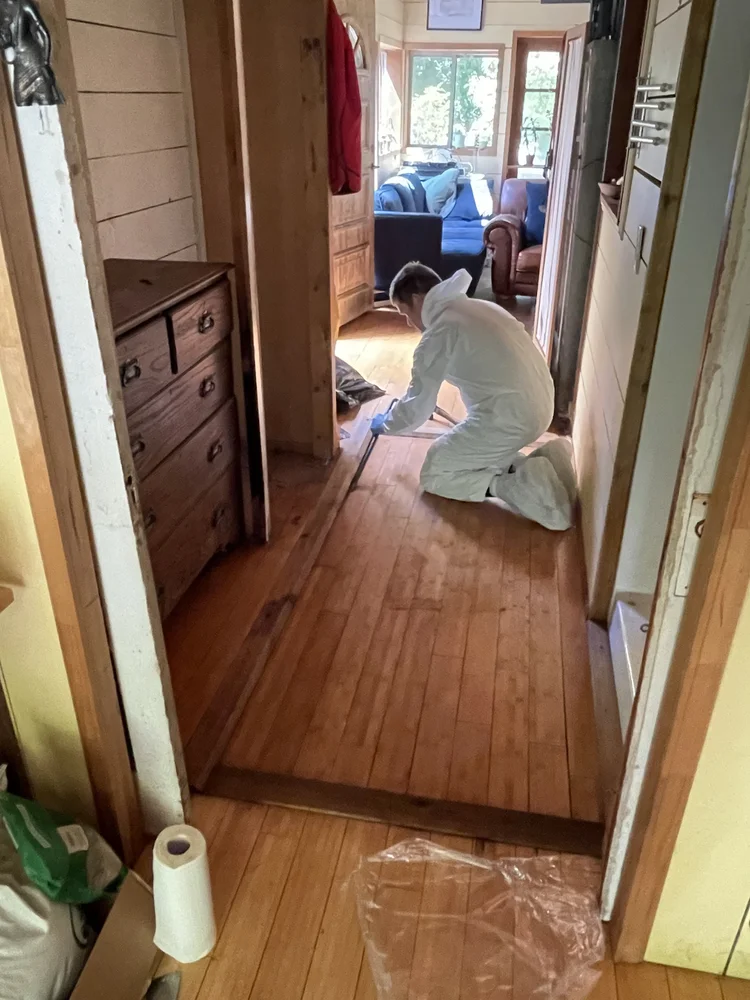
Our remediation follows the sequence the work actually requires. We assess and, where appropriate, sample to establish which areas are affected and to what degree. Contents are triaged into what can be decontaminated and what has to be disposed of, because soft furnishings and porous items frequently cannot be brought back. Ventilation systems are cleaned or components replaced, since leaving a contaminated HVAC system in place will recontaminate every surface you have just treated. Surfaces are then washed down with detergents and chemical agents suited to the residue rather than general-purpose disinfectant, which is not designed for this and does not remove it.
Where a property is being returned to the rental market, sold, or handed back after a tenancy, documentation is often as important as the work. We record scope, methods, products and disposal, and can arrange independent post-remediation verification sampling so you hold third-party evidence that the property meets the standard. For landlords and realtors this is the difference between a property you can lawfully let and one carrying a liability nobody has quantified.
If you suspect contamination but are not certain — an unexplained chemical odour, staining around outlets, yellowed walls, tenants who left abruptly — call before anyone moves in or begins renovating. Sanding, demolition or even a deep clean by an untrained crew will spread residue further and make the eventual remediation larger and more expensive.
Why Residue Spreads
Six Things Owners Get Wrong.
Drug residue behaves unlike any other contaminant we deal with. These are the assumptions that most often turn a manageable job into an expensive one.
HVAC systems carry contamination room to room. Treating one area alone does not work.
Contact with floors, walls and surfaces transfers residue, which is why children are most at risk.
Upholstery, mattresses and carpet usually have to be disposed of rather than cleaned.
Sampling shows which areas are affected and to what degree before work is quoted.
Sanding or demolition before remediation drives residue deeper and widens the job.
Independent post-remediation sampling gives landlords and sellers documented proof.
How We Work
A Clear Process, Every Single Job.
You always know what happens next. Every project follows the same four stages, documented from first call to final handback.
Assessment & Planning
We inspect the site, identify every hazard, and give you a written scope and estimate before any work starts.
Containment & Safety
The affected area is isolated with controls, PPE and negative air where needed, so nothing spreads beyond it.
Removal & Decontamination
Contaminated materials are removed and disposed of in accordance with regulations, then surfaces are cleaned, disinfected and deodorized.
Verification & Handback
We verify the results, document everything for your records or insurer, and return the space ready to occupy.
FAQs
Frequently Asked Questions
We understand you may have questions. Here are answers to some of the most common questions about our cleanup and restoration services.
What types of cleanup services do you offer?
We specialize in biohazard/crime scene cleanup, hoarding cleanup, unattended death cleanup, drug exposure remediation, and move-in/move-out cleanouts. Our goal is to safely restore your space and provide peace of mind.
Are your technicians trained and certified?
Every technician is trained and certified in biohazard handling, bloodborne pathogen safety, and proper decontamination procedures, and works to strict industry protocols on every job.
How do you ensure safety and confidentiality?
We arrive in unmarked vehicles where requested, follow documented containment and disposal procedures, and treat every detail of your situation as private.
How long does a cleanup take?
Most jobs are completed within one to three days. Scope, property size, and the level of contamination determine the timeline, and we give you a clear estimate before we begin.
Is it safe to re-enter the space after cleanup?
Yes. We do not consider a job finished until the area has been fully decontaminated, deodorized and verified, so the space is safe to occupy again.
Do you work with insurance companies?
We do. We document the work thoroughly and can bill your insurer directly or supply the paperwork your adjuster needs.
What areas do you serve?
We serve Seattle, WA. That covers Duval County neighbourhoods from Riverside and San Marco to the Beaches and Northside, and everything south through Ponte Vedra, Nocatee, Julington Creek and St. Augustine.
How much does a cleanup service cost?
Cost depends on the size of the affected area, the type of contamination and the labour involved. We provide a free, no-obligation assessment and a written quote up front.
We’re Here to Help.
Our team is available 24/7 to answer your questions and provide the support you need.
Open 24 hours, 7 days a week
Including nights, weekends and holidays.
Your privacy and peace of mind are our priority.
Handled with care, respect, and understanding.
Call now for a free consultation.
Contact Us
We’re Here When You Need Us Most.
Reach out for fast, discreet, and professional cleanup and restoration services.
Our team is available 24/7 to help restore safety and peace of mind.
Contact Information
We’re ready to help anytime.
Jacksonville & St. Johns County, FL
and surrounding areas.
Open 24 hours, 7 days a week
Including nights, weekends and holidays.
Get in Touch
Complete the form below and we’ll contact you to discuss your needs.