Discovering that a crime has happened in your home is one of the most unsettling experiences a person can go through. Whether it is a break-in, an assault or a more serious incident, the hours and days that follow can feel overwhelming. Knowing what to do next — and in what order — makes it easier to stay safe, protect your rights and start putting your home back together.
This guide walks Seattle residents through the steps to take after a crime in your home, from the first phone call to professional crime scene cleanup and getting support for yourself and your family.
Step 1: Get to Safety and Call 911
Your safety comes first. If you arrive home and suspect a crime has taken place — a forced door, broken window or signs of a struggle — do not go inside. The person responsible could still be there.
- Move to a safe place, such as a neighbor’s home or your car, and lock yourself in.
- Call 911 and explain what you found. Stay on the line if asked.
- If anyone is injured, tell the dispatcher immediately so medical help is sent.
- Do not re-enter the home until police tell you it is safe.
For a non-emergency report of a past crime where no one is in danger, you can use the Seattle Police Department’s non-emergency line or online reporting instead.
Step 2: Do Not Touch or Clean Anything
It is natural to want to tidy up, check what is missing or wipe away signs of what happened. Wait. Anything you move or clean could be evidence that helps investigators — and some materials can be hazardous.
- Leave doors, windows, furniture and belongings exactly as you found them.
- Do not touch blood, bodily fluids, broken glass or needles. They can carry bloodborne pathogens and cause injury.
- Keep children and pets away from the affected area.
- If you must go inside before police arrive (for example, to help someone who is hurt), touch as little as possible and tell officers what you touched.
Step 3: Cooperate With Police and Wait for the Property to Be Released
Officers and, in some cases, crime scene investigators or the medical examiner will need time to document the scene and collect evidence. This can take a few hours or, for serious incidents, longer.
- Answer questions as clearly as you can and tell officers about anything unusual you noticed.
- Ask for the police report or incident number. Your insurer and other agencies will need it.
- Ask the officer whether a victim advocate is available. Advocates can explain what happens next and connect you with local support services.
- Ask when the property will be released back to you. Cleanup cannot begin until then.
Investigators may leave behind fingerprint powder and other residue. That is normal, and it is removed as part of professional cleanup.
Step 4: Secure the Property
Once police have finished, make sure your home is safe to stay in — or arrange somewhere else to stay for a few nights.
- Board up or repair broken doors and windows as soon as possible.
- Change the locks if keys were taken or the entry point was a door.
- If the space is not safe or livable, stay with family or friends, or ask your insurer whether temporary accommodation is covered.
- Keep receipts for emergency repairs and lodging. Your insurer may reimburse them.
Step 5: Contact Your Insurance Company
Call your homeowners, renters or landlord insurer as early as you can. Many policies cover theft, property damage and professional crime scene cleanup, but coverage depends on your specific policy.
- Give them the police report or incident number.
- Ask specifically about coverage for biohazard or crime scene cleanup, repairs and temporary housing.
- Ask whether you need their approval before hiring a cleanup company.
Washington State’s Crime Victims Compensation Program can help eligible victims of violent crime with costs such as medical bills, counseling and funeral expenses. It does not cover crime scene cleanup, so insurance is usually the main route for those costs.
Step 6: Arrange Professional Crime Scene Cleanup
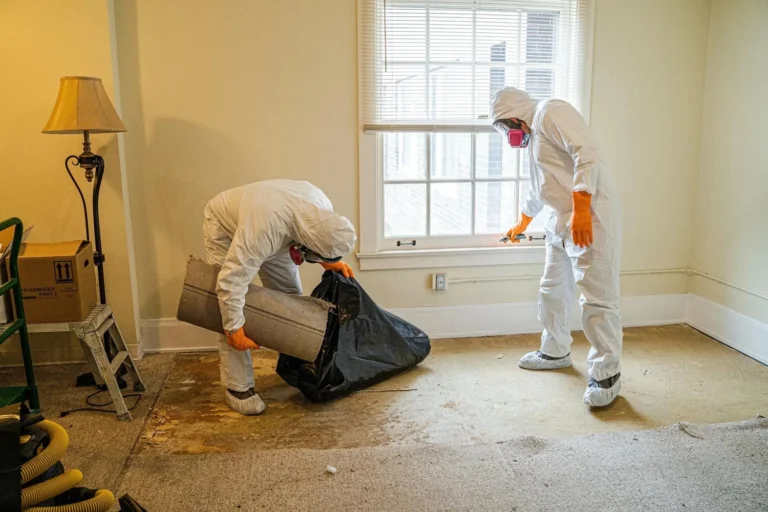
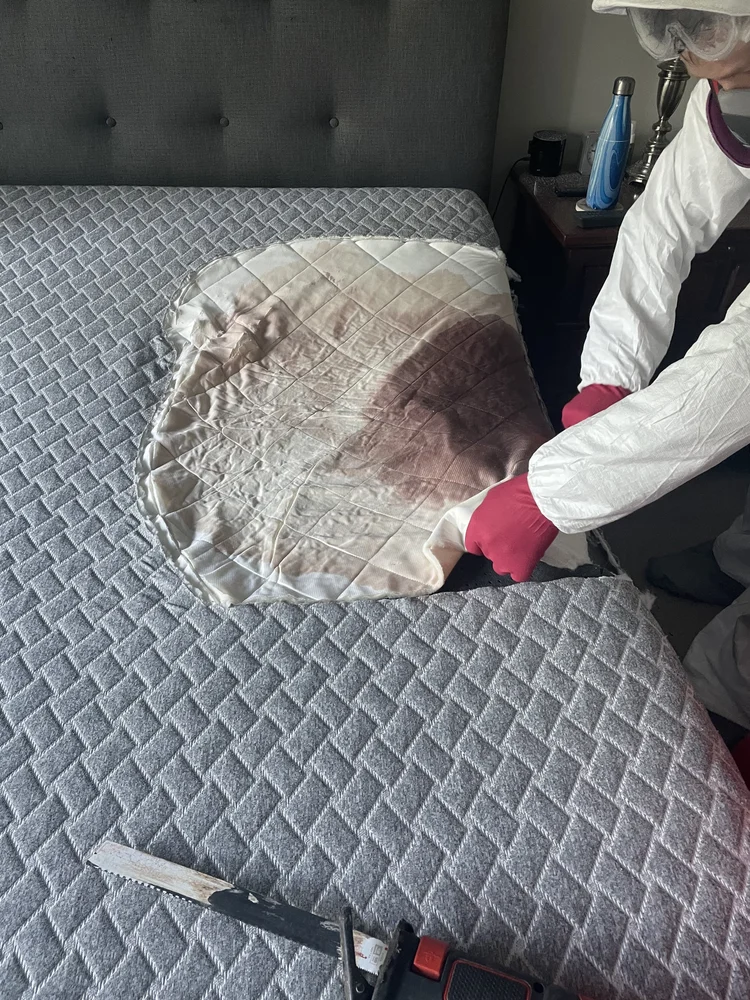
If the crime left blood, bodily fluids or other biological material behind, the cleanup should be handled by trained professionals, not family members. Contamination often spreads into carpet padding, subfloors and walls, well beyond what you can see, and it must be removed and disposed of safely.
A professional crime scene cleanup company will:
- Assess the property and give you a written scope and estimate
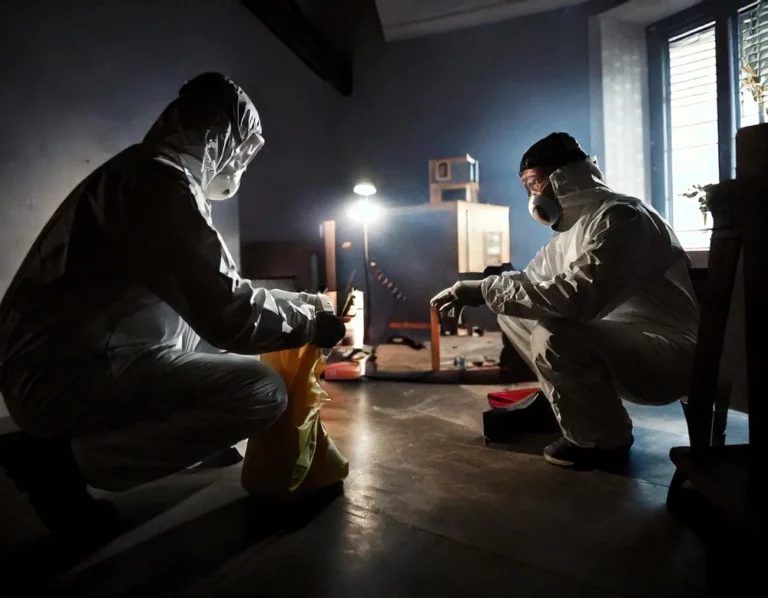
- Contain the area and wear proper protective equipment
- Remove contaminated materials and dispose of them as regulated waste
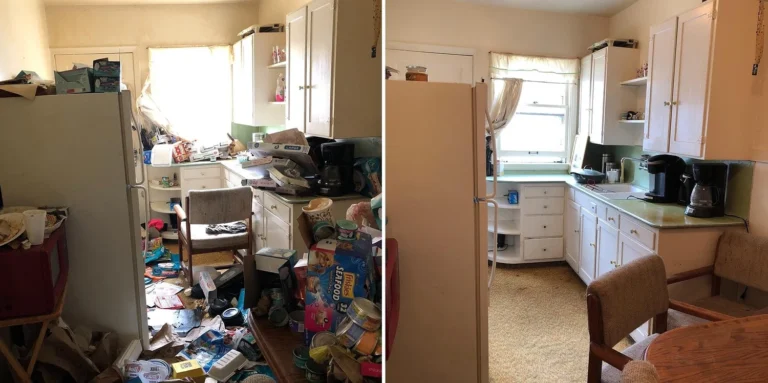
- Clean, disinfect and deodorize every affected surface
- Remove fingerprint powder and other investigation residue
- Provide documentation for your insurer
You do not need to be at the property while the work is done. Our guide to professional crime scene cleanup in Seattle explains the process in detail, and our crime scene and biohazard cleanup service covers homes across Seattle and the Puget Sound area.
Step 7: Document Losses and Repairs
Good records make insurance claims and any later legal process much smoother.
- Once the property is released, photograph damage and missing items before repairs begin.
- Make a list of stolen or damaged belongings with approximate values, and find receipts or serial numbers where you can.
- Keep copies of the police report, cleanup documentation, repair invoices and all correspondence with your insurer.
- Note the names and contact details of the officers, adjuster and contractors you deal with.
Step 8: Look After Yourself and Your Family
A crime in your home can affect how safe you feel there for a long time. Feelings of fear, anger, sleeplessness or numbness are common and normal.
- Talk to people you trust, and let friends or family help with practical tasks.
- Ask your victim advocate about local counseling and support services.
- If you were the victim of a violent crime, Washington’s Crime Victims Compensation Program may help with the cost of counseling.
- Give children simple, honest reassurance and keep routines as normal as possible.
If you or someone in your family is struggling, you can call or text 988 to reach the 988 Suicide & Crisis Lifeline at any time.
Quick Checklist: What to Do After a Crime in Your Home
- Get to safety and call 911.
- Do not touch, move or clean anything.
- Cooperate with police, get the report number and wait for the property to be released.
- Secure doors and windows, or stay somewhere else.
- Call your insurer and ask about cleanup coverage.
- Hire a professional crime scene cleanup company.
- Photograph and document losses, repairs and costs.
- Look after your own wellbeing and ask for support.
We’re Here to Help, 24/7
West Side Bio and Crime Scene Cleanup is a locally owned crime scene and biohazard cleanup company serving Seattle and the greater Puget Sound area. Our certified technicians work discreetly and with care, so you can focus on your family while we restore your home. We are fully licensed and insured and can work directly with your insurance company.
If you need help after a crime in your home, call us any time at 206-330-8919 or request service online. You can also read our guides to biohazard cleanup and trauma cleanup.