Drug use and drug production can leave behind residues that are invisible to the naked eye but may affect the people who live in or visit a property. For landlords, property managers, home buyers and families, knowing when to call a specialist is an important part of keeping people safe. This guide explains what drug remediation in Seattle can involve, why an assessment usually comes first, and what to look for in a professional provider.
What Is Drug Remediation?
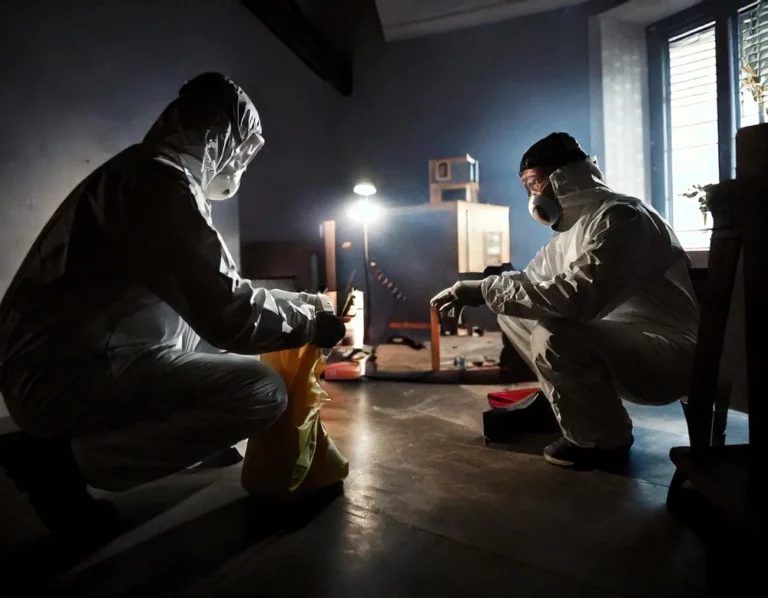
Drug remediation is the assessment and cleanup of a property that has been affected by drug use, storage or manufacturing. Depending on the situation, it may involve removing contaminated materials such as carpet, furniture and soft furnishings, cleaning hard surfaces and fixtures, and addressing areas where residue may collect, such as ventilation systems.
The scope of drug remediation cleanup varies widely. A rental unit where a tenant smoked drugs is a very different job from a property used to manufacture them, and the rules that apply can differ too.
Signs a Property May Need an Assessment
Residue is usually not visible, so owners often rely on other clues. Possible warning signs include:
- Drug paraphernalia such as foil, pipes, needles or small baggies
- Unusual chemical odors or persistent smoke smells
- Stained, discolored or sticky surfaces, burn marks or etched surfaces
- Disabled smoke detectors, covered vents or blacked-out windows
- Information from neighbors, previous tenants or law enforcement
None of these signs proves contamination on its own, but together they are a good reason to have the property assessed before anyone moves in.
Why an Assessment Comes First
Because drug residue is generally invisible, it is impossible to judge how far it has spread just by looking. An assessment helps identify which rooms and materials are likely to be affected and what level of cleanup is appropriate. It also helps you understand whether any regulatory requirements apply before work begins.
Skipping this step can lead to two problems: cleaning too little and leaving residue behind, or removing far more material than necessary and spending money you did not need to.
Contamination and Property Safety Considerations
Health considerations
Some substances can pose health risks through skin contact or inhalation, and young children and pets are especially vulnerable because they spend time close to floors and surfaces. That is why it is important to keep people out of a suspected contaminated area until it has been assessed.
Why household cleaning is not enough
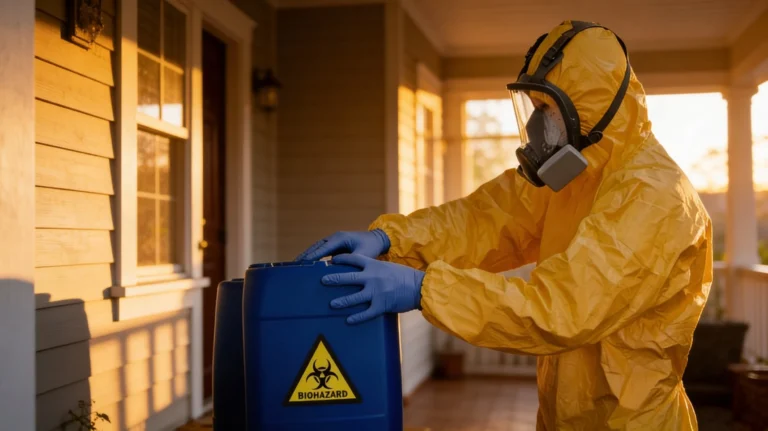
Ordinary cleaning products and vacuuming can spread residue rather than remove it, and some porous materials cannot be effectively cleaned at all. Professional remediation uses appropriate protective equipment, containment and disposal procedures.
Washington State rules for drug lab sites
Washington has specific rules for properties contaminated by illegal drug manufacturing or storage. Under RCW 64.44 and WAC 246-205, local health officers can inspect and post affected properties, and decontamination of those sites must generally be carried out by a contractor certified by the Washington State Department of Health under an approved work plan. If your property has been posted or placed under a health order, contact your local health department first and make sure any contractor you hire meets those requirements.
The Importance of Qualified Professionals
Whatever the situation, drug remediation should not be treated as a do-it-yourself project. When you speak to a provider, ask:
- How will you assess the property, and what will the scope include?
- What protective equipment and containment procedures do you use?
- How are contaminated materials disposed of?
- Will I receive documentation of the work?
- Is my property subject to any health department requirements, and are you able to meet them?
A trustworthy company will answer honestly, including telling you if your situation needs a different type of specialist.
What to Expect From Professional Drug Remediation Cleanup
- Initial call. You describe the property and what you know about its history.
- Assessment and written scope. The property is inspected and you receive a written scope and estimate before any work begins.
- Containment and removal. Affected areas are isolated, and contaminated porous materials are removed for proper disposal.
- Cleaning. Hard surfaces, fixtures and other affected areas are cleaned using appropriate methods and products.
- Documentation. You receive a record of the work completed for your files, your insurer or future tenants and buyers.
Drug Remediation for Seattle Landlords and Property Managers
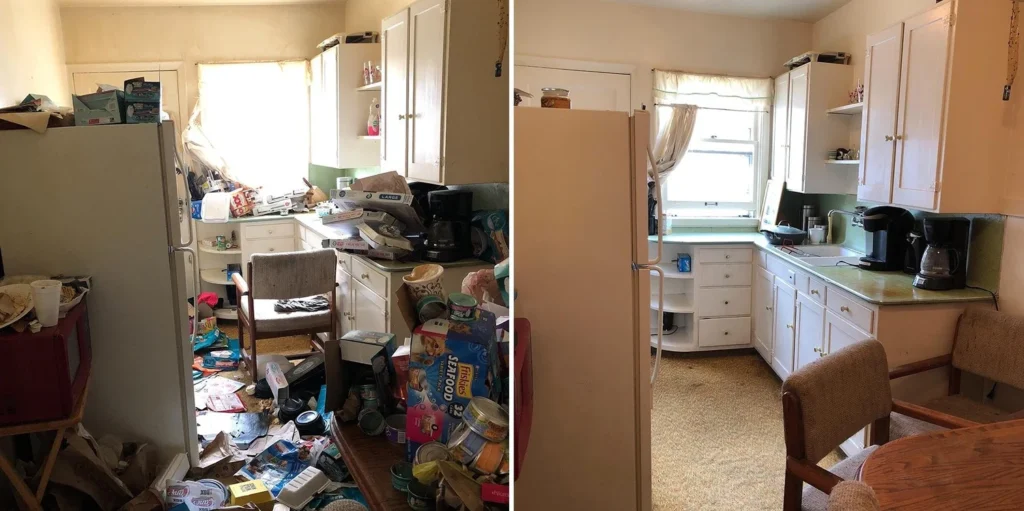
Landlords and property managers are often the first to discover a problem, usually after a tenant moves out. Acting quickly protects the next occupants and the value of the property. We regularly combine drug remediation with property clean-outs and move-out cleaning and junk removal so a unit can be returned to service as efficiently as possible.
Buying or Selling a Property With a Drug History
If you are buying a home and have concerns about its history, raise them with your agent and consider an assessment before closing. If you are selling, addressing known contamination before listing can avoid delays and difficult conversations later. In either case, documentation of a professional assessment and cleanup gives buyers, sellers and lenders a clearer picture of the property’s condition.
Contact West Side Bio and Crime Scene Cleanup
West Side Bio and Crime Scene Cleanup is locally owned in Seattle and provides drug remediation, biohazard cleanup and other specialist cleanup services across the greater Puget Sound area. If you suspect a property has been affected by drug use, keep people out of the area and call us any time at 206-330-8919, or request service online.